Column · @residentialroofreplacementspot
The Full Picture on Roof Replacement for Your Home
Your home's roof is its first line of defense against weather, heat, and time. Over years of exposure, even the best-built roof will show signs of wear. When repairs are no longer enough, a full roof replacement becomes the practical next step. Understanding what that process involves helps you make informed decisions and avoid surprises.
Replacing a roof is a major home improvement project. It goes beyond simply removing old shingles and nailing down new ones. The structure beneath the surface, the layers of protection, and the quality of installation all determine how long the new roof will last and how well it performs. A residential roof replacement involves careful planning, material selection, and a methodical approach to ensure the finished roof can withstand the elements for decades.
Signs That Replacement May Be Necessary
Knowing when to replace your roof is not always straightforward. Some signs are obvious, while others require a closer look. A roof inspection is the best way to assess the condition of your roof. Look for curling or missing shingles, granules in the gutters, and dark streaks or moss growth. Inside the attic, check for daylight coming through the roof boards, water stains on rafters, and damp insulation. If multiple areas show problems, the roof's service life is likely near its end.
Age is another critical factor. Asphalt shingles typically last between 20 and 30 years. Metal roofing and tile roofing can last longer, but their underlayment and flashings may need attention sooner. If your roof is approaching or past its expected lifespan, a roof replacement should be on your radar even if visible damage is minimal.

What a Roof Replacement Involves
A full roof replacement starts with removing the existing roofing material. This includes the shingles, underlayment, and any damaged decking. The roof deck is then inspected for rot, sagging, or other structural issues. Any compromised areas are cut out and replaced before new decking is installed. This step is essential because a new roof over a weak deck will not perform well.
Once the deck is sound, the next layer is the underlayment. This is a water-resistant or waterproof barrier that sits between the deck and the roofing material. Proper underlayment installation is critical for preventing leaks caused by wind-driven rain or ice dams. It also provides a secondary layer of protection if the outer shingles are damaged.
Flashing repair is another key component. Flashing is the metal or rubber material used around chimneys, vents, skylights, and roof valleys. It directs water away from these vulnerable spots. During a roof replacement, old flashing is removed and new flashing is installed to match the new roofing system. Poorly installed flashing is one of the most common sources of roof leaks.
Ventilation is also addressed during a roof replacement. A ridge vent or other intake and exhaust vents help regulate temperature and moisture in the attic. Proper ventilation extends the life of the roof and improves energy efficiency. Without it, heat and moisture can build up, causing shingles to deteriorate faster and promoting mold growth.
The final step is installing the new roofing material. Asphalt shingles remain the most popular choice for residential roof replacement due to their affordability, ease of installation, and wide range of colors and styles. Metal roofing offers durability and fire resistance, while tile roofing provides a distinctive look and long service life. Each material has its own installation requirements and maintenance needs. The choice depends on your budget, climate, and aesthetic preferences.
Planning and Timing
A roof replacement is not a same-day project. Depending on the size of the home and the complexity of the roof, the process can take several days to a week or more. Weather is a major factor. Roofing work requires dry conditions, so scheduling during a season with predictable weather is wise. In areas with hot summers, morning and late afternoon work helps avoid the worst heat. In cooler months, the work must be planned around rain and cold temperatures that can affect adhesives and shingles.
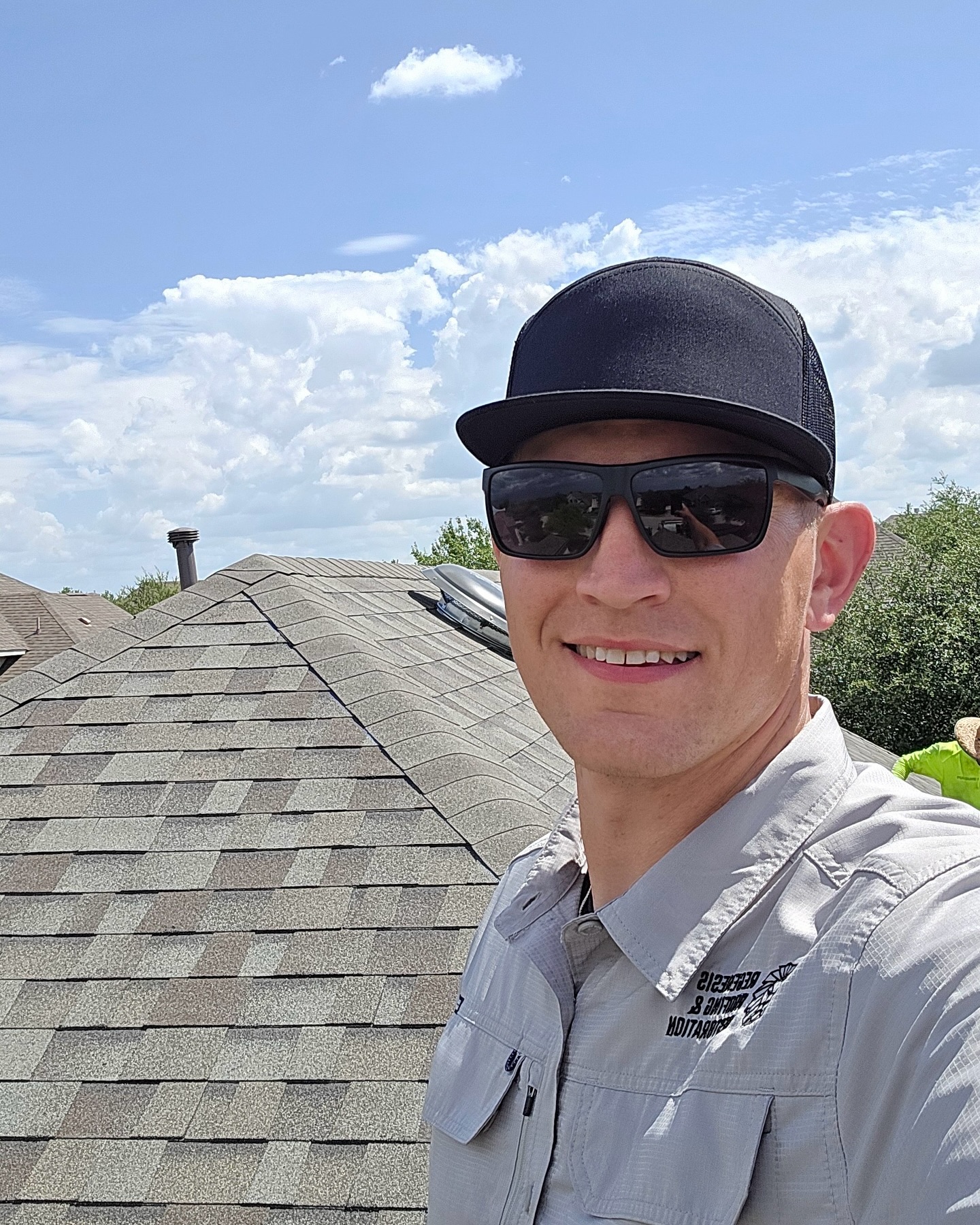
Before work begins, you will need to prepare your home. Clear the driveway and move vehicles to avoid damage from falling debris. Protect landscaping around the house with tarps or boards. Secure pets and children, as the work area will have heavy materials, tools, and workers on ladders. Your roofing contractor should discuss these preparations with you well in advance.
Common Questions and Considerations
One question homeowners often ask is whether they should be present during the work. While you do not need to supervise the crew, being available for questions or decisions can be helpful. If the crew discovers unexpected damage to the deck or flashing, they may need to discuss options with you. Being on site or reachable by phone can keep the project moving smoothly.
Another consideration is the disposal of old roofing material. A typical roof replacement generates a significant amount of waste. The contractor should handle disposal, including hauling away old shingles, underlayment, and debris. Confirm this is part of the scope before work starts.
Permits are another detail to address. Many local jurisdictions require a building permit for a roof replacement. The permit ensures the work meets building codes and safety standards. Your roofing contractor should be familiar with local requirements and can often handle the permit process on your behalf.
Long-Term Value
A well-executed roof replacement adds value to your home. It improves curb appeal, energy efficiency, and protection against the elements. It also provides peace of mind, knowing that one of the most important parts of your home is sound. Regular maintenance, such as cleaning gutters and trimming overhanging branches, can help extend the life of your new roof.

Choosing the right materials and ensuring proper installation are the two most important factors in the longevity of your roof. It is worth taking the time to learn about the options and to work with a contractor who follows best practices. A roof replacement is an investment in your home's future, and getting it right the first time saves money and stress down the road.
Understanding the full scope of a residential roof replacement helps you approach the project with confidence. From the initial inspection to the final ridge vent, each step plays a role in creating a durable, weathertight roof. By knowing what to expect, you can make informed decisions and enjoy the benefits of a well-built roof for years to come.